
To protect the privacy and confidentiality of the individuals featured, names in this article have been changed.
At Active Prospects, inclusion is central to how we work. But what happens when that understanding comes not just from training or professional experience — but from lived experience within our teams?
“Having neurodiverse people in your team finds solutions for everybody and challenges neurotypical methods.” Lauren, Central Office
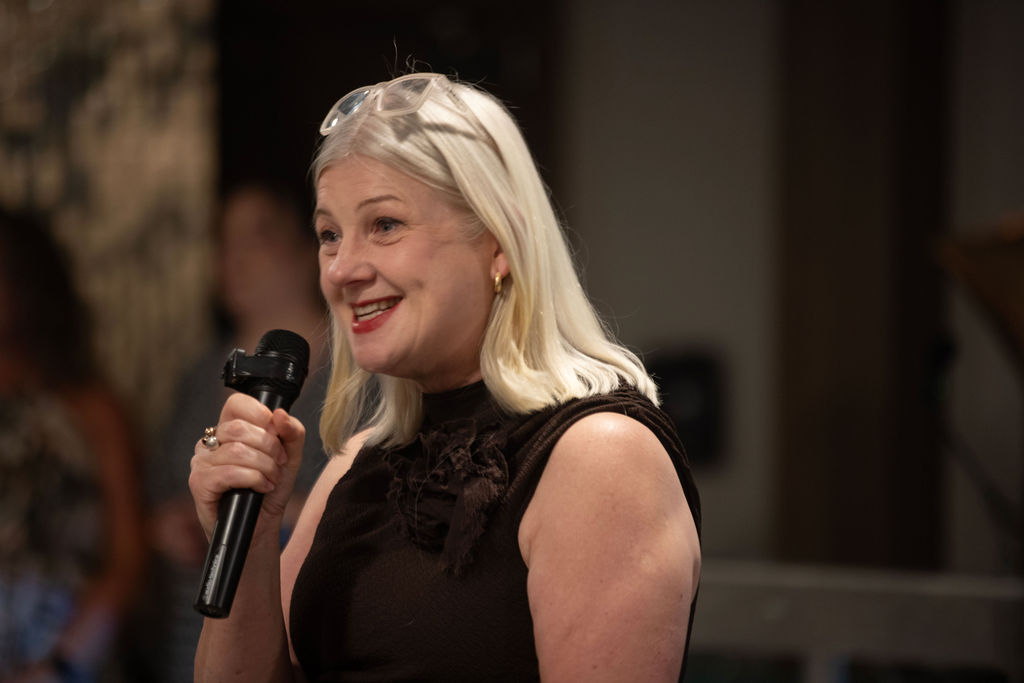
During Autism Acceptance Week, we created space for that conversation. Our Lead Clinician, Lyndsey, hosted a Neurodiversity Panel bringing together four colleagues with lived experience of ADHD, autism and dyslexia. The session exploring how neurodiversity shapes the way people think, work and support others, and what this means for us as an organisation.
Strengths of neurodiversity
One of the clearest messages from the panel was that neurodiversity brings distinct and valuable strengths into the workplace — particularly in social care.
Lauren described her ability to see the bigger picture and simplify complexities, supported by strong verbal communication skills developed through adapting how she processes information.
Other strengths the panel discussed included the benefits of hyperfocus, attention to detail and efficiency. Alongside importance of logical thinking and understanding sensory experiences from a personal perspective, particularly in roles when supporting others with similar sensory needs.
Valuing Different Ways of Processing Information
A key theme throughout the discussion was that everyone process information differently — and that this difference is not a deficit, but a variation.
“If something isn’t written down, it leads to miscommunication.”
Matt, Wellbeing Team
“I tend to focus on the things I cannot understand, which means I need longer to process sentences.”
Kim, Home Manager
These insights highlight how easily communication can become a barrier — or, with the right adjustments, an enabler. Examples discussed included clear expectations delivered in different formats (verbal, written and accessible) and consistent communication.
Hyperfocus, Productivity and Working Differently
Hyperfocus emerged throughout this panel as both a strength and something that requires balance.
“Once I am hyper-focused, I am so fixed on a project that I can’t think about other things…” Kim, Home Manager
For many neurodivergent people, productivity does not follow a standard pattern. Periods of deep focus can lead to high-quality outcomes, but also require awareness of boundaries and workload pressure.
The discussion highlighted the need for flexibility — recognising that different ways of working can still lead to excellent outcomes.
The Core Value of Neurodiverse Teams
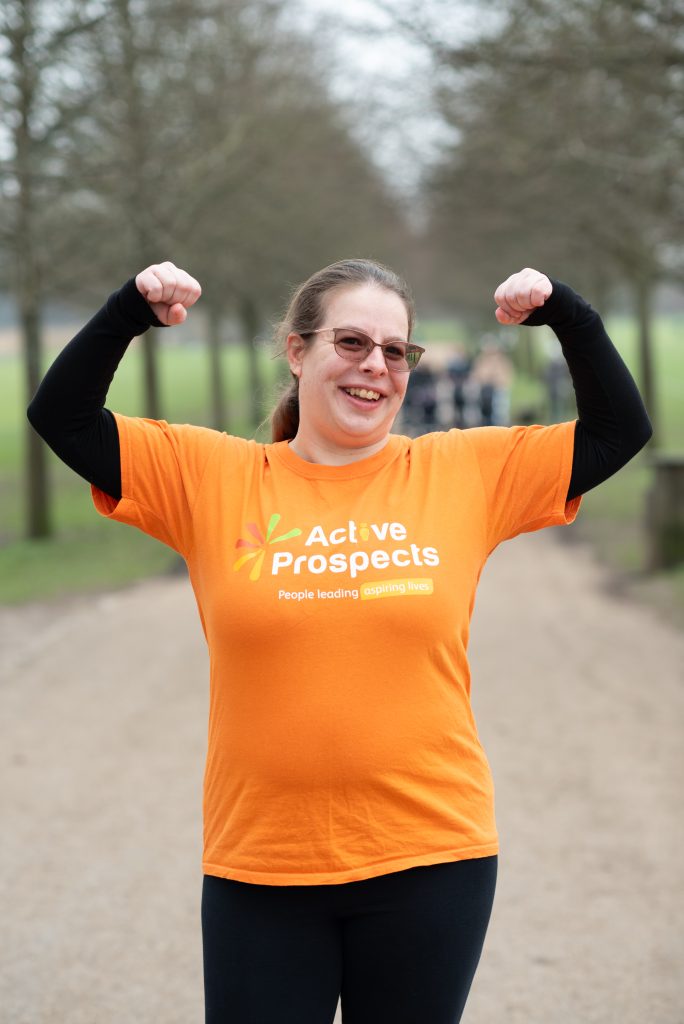
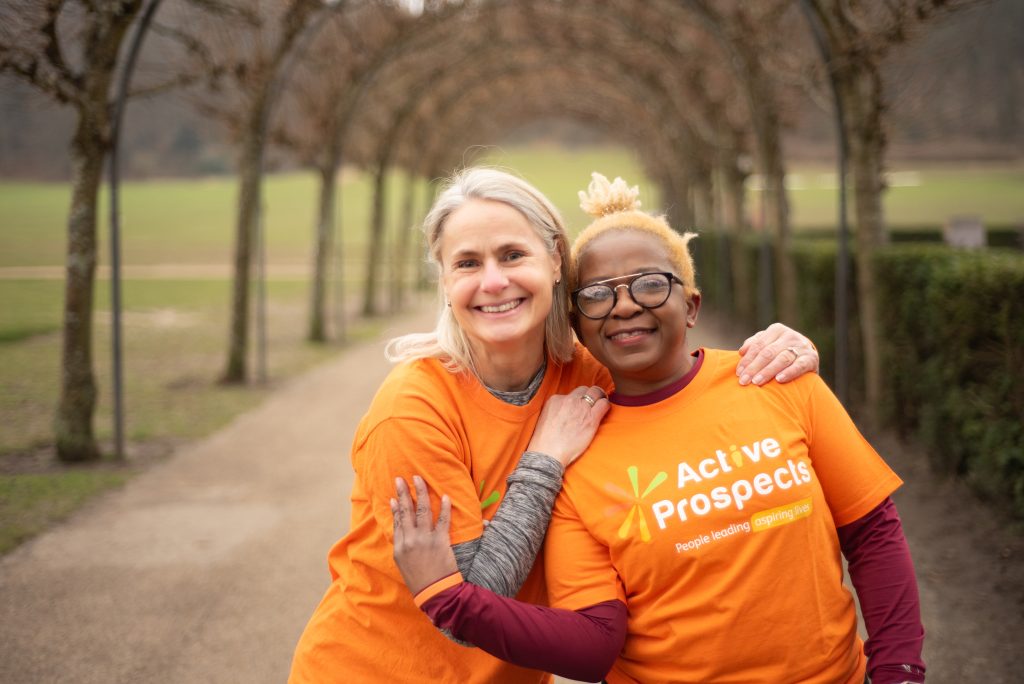
Co-production and lived experience are embedded within our practice at Active Prospects. This panel discussion highlighted that the benefits of neurodiversity extend beyond the individual — positively shaping our teams and the people we support.
“Neurodiverse teams can empathise with the people they support, understanding unique journeys and challenges. This fosters a sense of camaraderie and mutual respect.” Chris, Lead Support Worker
These perspectives are particularly important in social care. Teams that reflect a range of thinking styles are better equipped to understand behaviour, adapt support and build person-centred support.
Masking and Adaptation
Alongside strengths, the panel also explored the less visible experiences of neurodivergent conditions — including masking and the effort involved in adapting to workplace expectations.
Our brains are having to process things in a different way… it’s like always having to read a second language.” Lauren, Central Office
Others spoke about emotional sensitivity, challenges with feedback, and the impact of unclear expectations or inconsistent communication.
Understanding this is essential. Without it, workplaces risk unintentionally creating environments that increase stress and reduce confidence.
Diagnosis and self-understanding
Kim, shared how her diagnosis has helped her make sense of her experiences, particularly in relation to sensory processing and thinking styles. Others spoke about how recognising their neurodiversity has strengthened their confidence, communication and ability to advocate — both for themselves and for the people they support.
This highlights the importance of creating environments where people feel safe to explore and understand share their own working styles and need.
Continuing to embedding lived experience into our practice
This panel was about understanding, not just what neurodiversity is, but what it means in practice.
It reinforced that there is no single “right” way to think, communicate or work. Instead, there is value in difference — and in creating environments where those differences are recognised and supported.
For us as a social care provider, this goes further then recognition and support.
Embedding lived experience within our teams strengthens the quality of support we provide. It deepens empathy and enables more person-centred approaches for our colleagues and people we support. It also challenges us to think differently and to continue to design workplaces and services that reflect the diversity of the people we support.