
How co-produced and community-based support can help create more responsive mental health services
World Mental Health Day takes place on 10 October. This year’s theme is “Lived experiences heard: real voices, real change.”
It calls on services and organisations to go further than inviting people to share their stories. People with lived experience should be able to influence the policies, services and decisions that affect their lives—and the support they receive.
At Active Prospects, we believe listening must lead to action. We put this into practice across our work.
That means working alongside people from the beginning. Their knowledge should shape the questions we ask, the support we provide and how we decide whether that support is working.
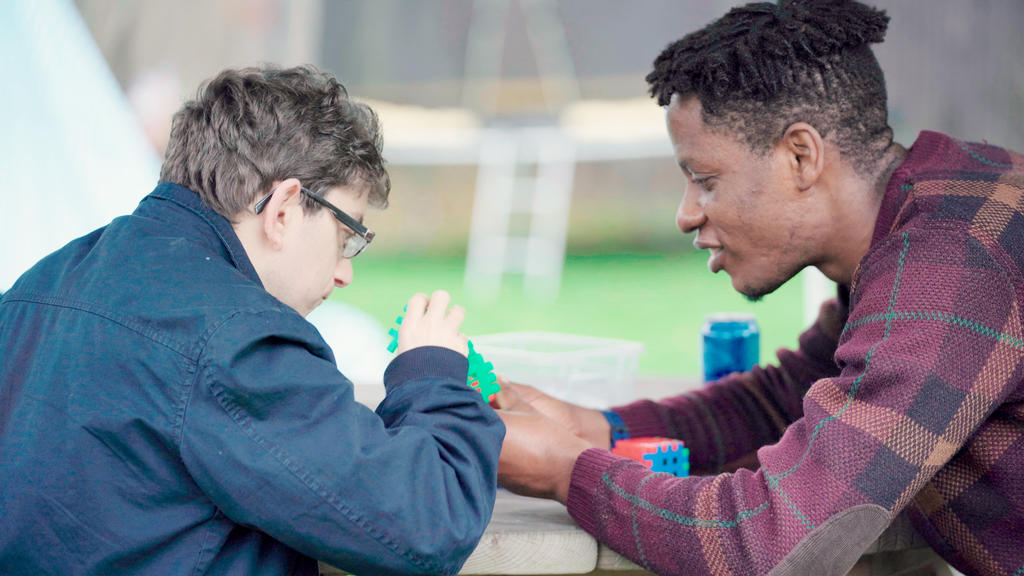
From being heard to influencing change
Lived experience provides knowledge that cannot come from professional training or research alone.
People can identify barriers that services may overlook. They can explain why an approach does not feel accessible, what makes it difficult to ask for help and what would make support feel safer and more relevant.
Effective co-production therefore involves more than consultation. People should be involved in designing, delivering and evaluating the impact of services.
For mental health services, this can result in support that responds to each person’s goals and aspirations, rather than expecting everyone to fit the same model.
As one member of our Active Wellbeing Coaching programme told us:
“I preferred this to other mental health support because I didn’t feel judged here. I felt relaxed. The coaches understand neurodiversity, so it doesn’t feel like you are being told how to feel. Sometimes other services feel like one glove fits all.”
What effective community-based care really requires
People need the right support at different points in their lives. This includes earlier support that can strengthen wellbeing, as well as specialist housing and intensive support for people leaving institutional settings.
Suitable homes are essential, but housing alone is not enough. Effective community-based care also depends on accessible support, trusted relationships and services shaped around the individual.
Active Wellbeing and Homes not Hospitals respond to different needs within the health and social care system.
Active Wellbeing provides earlier, personalised support that can help people understand their needs, build confidence, develop relationships and work towards their goals.
Homes not Hospitals supports people who require specialist housing and support to leave hospital and establish independence.
Both approaches begin with the same principle: the person should influence their support from the start.
Active Wellbeing: personalised support
Research indicates that around half of autistic people experience anxiety. However, autistic and other neurodivergent adults can face significant barriers when accessing mental health support.
Our Active Wellbeing Coaching programme was co-produced with people who have lived experience. It provides autistic and neurodivergent adults with personalised one-to-one coaching, workshops, events and group activities.
Between June 2024 and March 2026, the programme received 159 referrals. At the point of referral, 79% of people reported experiencing isolation.
Our evaluation found that average wellbeing scores increased from 54% when people joined to 71% after six months.
This demonstrates the value of personalised and preventative support. Active Wellbeing does not replace clinical or crisis services. It provides an earlier layer of preventative support, particularly for people who may not have felt understood by mainstream services.
Homes not Hospitals: the right support to independence
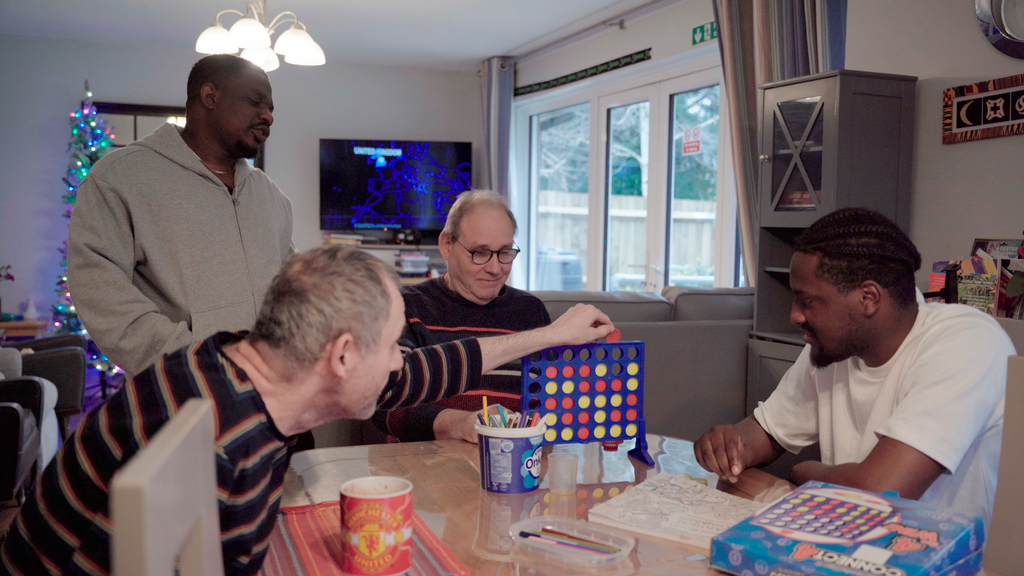
Too many autistic people and people with learning disabilities remain in hospital because suitable housing and specialist community support are not available when they are ready to leave.
Extended hospital stays can separate people from their relationships. They can also limit opportunities to exercise choice and develop independence.
Through Homes not Hospitals, Active Prospects works with people, families, health services, commissioners and housing partners to plan successful moves into people’s own homes.
Our specialist teams then provide personalised support to help each person settle into their home, rebuild confidence, develop relationships and exercise greater independence.
Active Prospects currently reports a 99% success rate in supporting people to move from hospital settings into their own homes.
Listening must lead to action
Community-based care works best when the right support is available at the right time and centred around the person.
Most importantly, people with lived experience must influence how that support is designed, delivered and evaluated.
World Mental Health Day gives organisations an opportunity to listen. It also challenges us to act on what we hear and turn people’s experiences into real change.
Active Wellbeing referrals are open
New referrals are currently open for autistic and neurodivergent adults with mental health needs in the South East of England.
Active Wellbeing Coaching is provided by Active Prospects and funded by The National Lottery Community Fund.