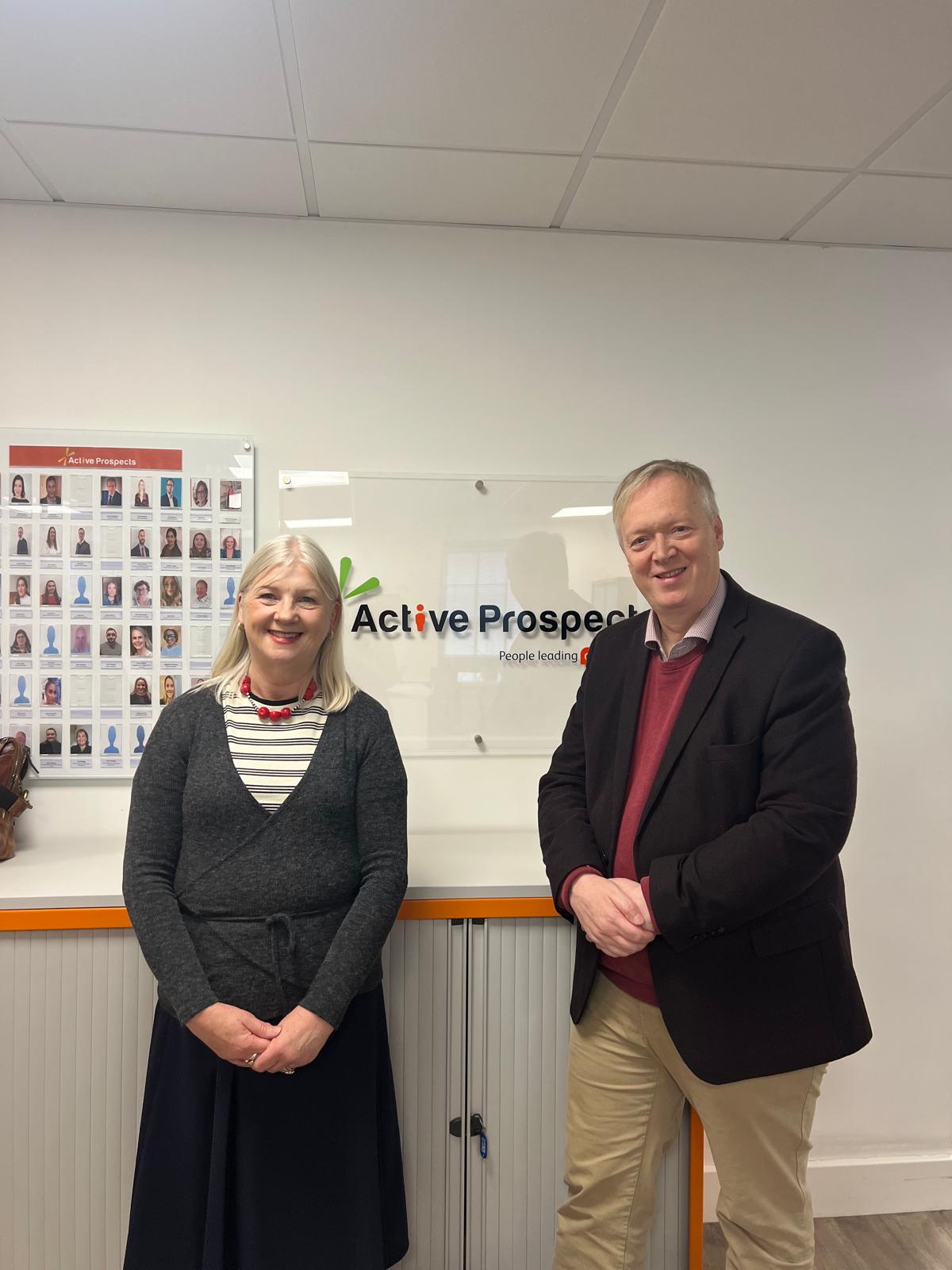
Active Prospects has proudly signed up to the STOMP pledge, designed to stop the over-medication of people with a learning disability, autism or both. STOMP is a health campaign to stop the over-use of psychotropic medication to manage people’s behaviour.
It is estimated that on an average day in England between 30,000 and 35,000 people with a learning disability, autism or both are taking prescribed psychotropic medication without appropriate clinical justification. This is medication which results in alterations to perception, mood or consciousness. Long-term use of these medicines puts people at unnecessary risk of a wide range of side effects including weight gain, organ failure and even premature death.
In response the Voluntary Organisations Disability Group (VODG), NHS England and sector stakeholders have developed the STOMP pledge for social care. This aims to improve the quality of life of people with a learning disability, autism or both by supporting providers to ensure they only receive psychotropic medication for the right reasons and in the right amount.
The STOMP pledge provides Active Prospects with a framework to help identify the practical steps we can take to support people to reduce the amount of inappropriate psychotropic medication they take, as well as enabling us to assess our own performance, develop an action plan and measure progress in this important area.
Read more about the STOMP campaign.